
More than a month ago I went to the second installation of the VCU MFA Thesis show, and I came home dejected. I had started what I had hoped to be a fruitful series in art writing at the beginning of May, and this new assortment of paintings, sculptures, and Objects flew in the face of anything I had to say. Due, not in part to some refutation of previous arguments: Nothing felt like it hard an argument to make. I am reluctant to make broad sweeping claims about what art should be, especially now post-post-post modernity. But after a short jaunt through the ICA, I realized that analyzing the show based on what I assumed was being referenced was a heavy misunderstanding of the work of a thesis show and the project of curating such a thing. There is no why. There is only a need to fit 30 artists in a building.
So what the fuck? I was reading wall text and peering at dead cacti and harpsichord parts and plaster cups and hair extensions trying to piece together a coherent artistic statement, from either the curator or the institution. What is the most clear is that these are artists and they went to VCU. Of course, individual creators make work with particular interests, and of course reoccurring themes emerge around suffering and person-hood. It feels fruitless to externalize these ideas and the effort made in expressing said ideas outside of those sliding glass doors because they are only legible within such an institution. There was this installation by someone named Leroy Winter. Leroy recreated an outhouse, and then surrounded the outhouse with stuff. This process of building an outhouse and surrounding it with stuff is “navigat[ing] despair with a sense of levity, concerned with the fallibility of Americana.” On the inside of the outhouse is a sketch of the artist shitting. Leroy has also painted his name on a canvas behind the outhouse in glitter. This too is navigating despair with levity.
I recently called a friend during her commute and (half jokingly) explained that artists as a class are parasitic. They function purely due to surplus of material or capital that allows nonproductive labor. And I can dig that. I even went to bat for diffuse descriptions of work, complaining that no one rallies against set theory for being hard to understand but god forbid a conceptual artist use a three syllable word. But when this nonproductive intellectual labor is placed in a room with a bunch of other intellectual labor it can be hard to understand what the fuck it is all for.
Within the past year I have taken to asking my friends what will it look like when we win. What art, music, life, love, writing — what it all will look like after Empire crumbles. With a creeping fear I’ve taken to asking if we are even capable of imaging a world in which we win. If there is something comforting about always fighting against, never actually defeating. What would the future of creative expression look like, beyond commercialized expressions of ethnic difference? Beyond degrees bestowed by institutions who buy blocks of city streets to do nothing with? Is there a world where art is made assuming that there is no need to express humanity, because your audience knows?
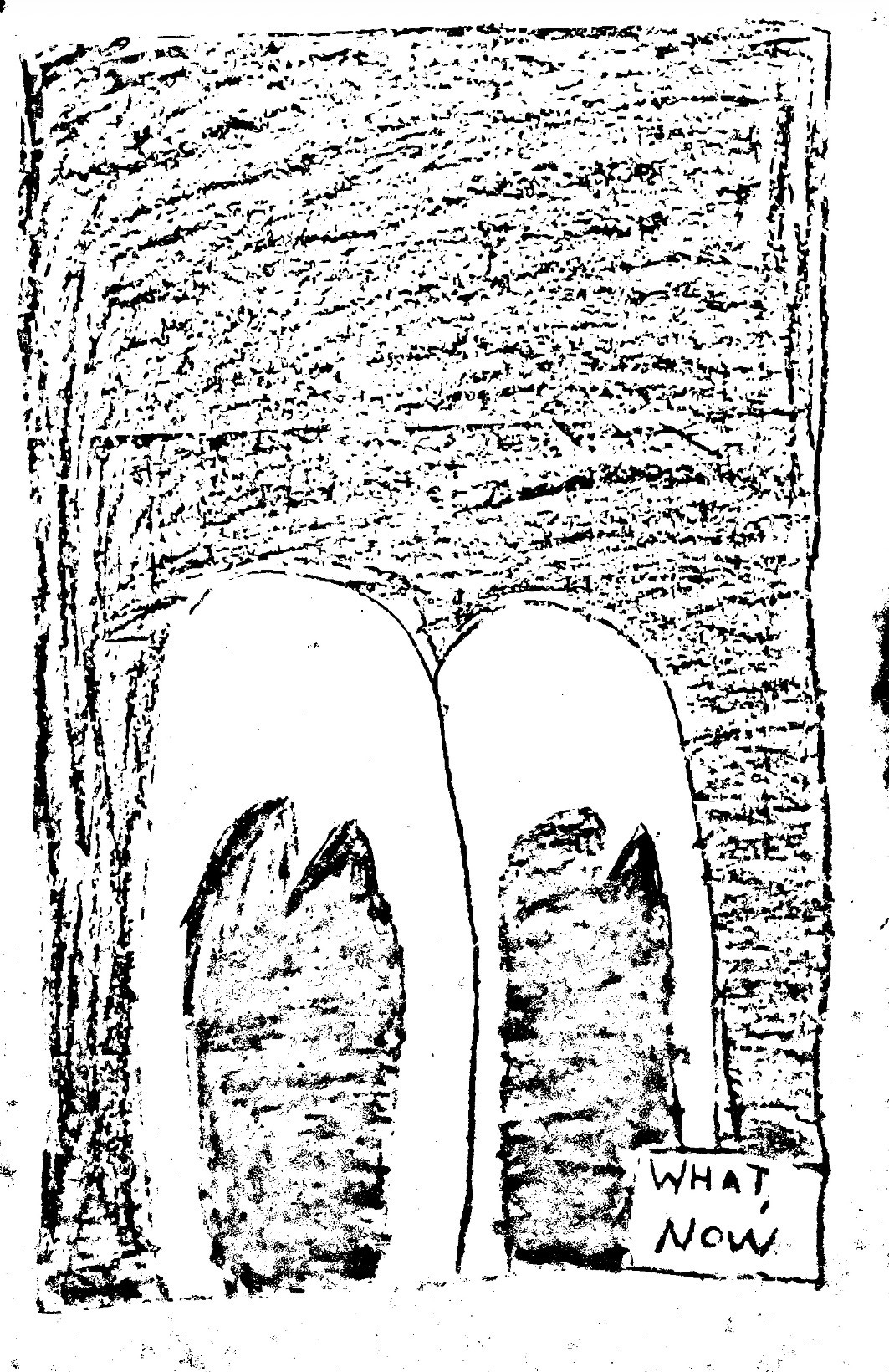
What do you want the world to look like in 20 years? 50? 100? When there is no one left on earth to remember how your name is spelled, what do you want to be left from today? My central goal I realized, is to make work, to read, to write, to live as if I have won. As if winning is not insane to want.